

FY27 Iowa Cancer Plan Implementation Grants and Survivorship Grants
We are pleased to announce the following intended recipients of FY27 Iowa Cancer Plan Implementation Grants and Survivorship Grants: Iowa Cancer Plan Implementation intended grantees: Can Do Cancer, Expansion of Cancer-Specific Pathways, Year 2, contact Dayna Boyles-Carpenter | In Year 2, Can Do Cancer will expand its peer-support model to serve any adult patient receiving IV-infusion chemotherapy…
Read More
The Prevention Puzzle: How Local Environmental Health Fits into Cancer Control in Iowa
The Iowa Cancer Consortium and partners have been helping Iowans see how our everyday environments can reduce cancer risk or raise it, depending on the exposures, resources, and policies in them. No one understands that environmental protection is health protection and cancer prevention better than environmental health experts working across all 99 of Iowa’s counties. One such expert is Consortium member Chris Behrens from Tama County, who shares more…
Read More
Wood Dust Exposure at Work: Dale’s Nasopharyngeal Cancer Story
Certain exposures in the environments where people live and work can increase their chances of developing specific cancers based on the amount, duration, and route of exposure. Exposure routes, or how a contaminant enters the body, can be through ingestion (eating or drinking it), inhalation (breathing it in), or dermal contact (absorbed by the skin).…
Read More
Life Before Cancer, Life After: Why Mindset and Strengths Matter More Than You Think
Submitted by: Traci McCausland Our lives are made of a million moments: some are amazing, some mundane, and some change everything. Some of the life-altering ones come on the heels of just three words: I love you. I forgive you. You did it! You’re having twins! And the dreaded . . . You have cancer.…
Read More
National Cancer Immunotherapy Awareness Month: Looking Back to Look Forward
Written by: Travis Fischer, PhD Despite cancer remaining one of the leading causes of death in the United States, there’s also real progress worth celebrating. Survival rates have improved, treatments have become more precise, and one breakthrough in particular has reshaped what’s possible: immunotherapy. Instead of attacking cancer directly, immunotherapy harnesses a patient’s own immune system to recognize and destroy cancer cells. Cancer Immunotherapy Awareness Month…
Read More
2026 Gubernatorial Survey
As Iowa continues to face one of the highest cancer incidence rates in the nation, the role of state leadership in shaping policies that impact prevention, early detection, treatment, and survivorship has never been more critical. In April 2026, gubernatorial candidates were invited to participate in a nonpartisan, expert led forum designed to deepen their…
Read More
Clinical Trials: Today’s Research, Tomorrow’s Hope
Submitted by: Tara M. Graff, DO, MS, Director of Clinical Research, Mission Cancer + Blood, part of University of Iowa Health Care Over the past 20 years, we’ve seen major advancements in cancer care, shifting from broad chemotherapy and radiation treatments to personalized, precision therapies. In fact, the U.S. Food and Drug Administration has approved 11 new novel drug classes since…
Read More
Iowa Cancer Consortium FY25 Annual Report
The Iowa Cancer Consortium is proud to share our 2025 Annual Report, highlighting the amazing work our coalition accomplished from July 1, 2024-June 30, 2025. The call to work together is greater than ever before. In 2026, an estimated 21,700 Iowans will receive a cancer diagnosis and 6,400 Iowans will lose their lives to cancer (source: 2026…
Read More
Cancer as a Young Adult: Know Your Rights and Options
Written by: Kathryn J. Strobach, Esq., MSW | Staff Attorney at Triage Cancer Getting a cancer diagnosis as a young adult can feel like your life just hit pause. You might be juggling school, starting a career, figuring out finances, or building relationships, and now you are also dealing with treatment, insurance, and major health decisions. Cancer can affect nearly…
Read More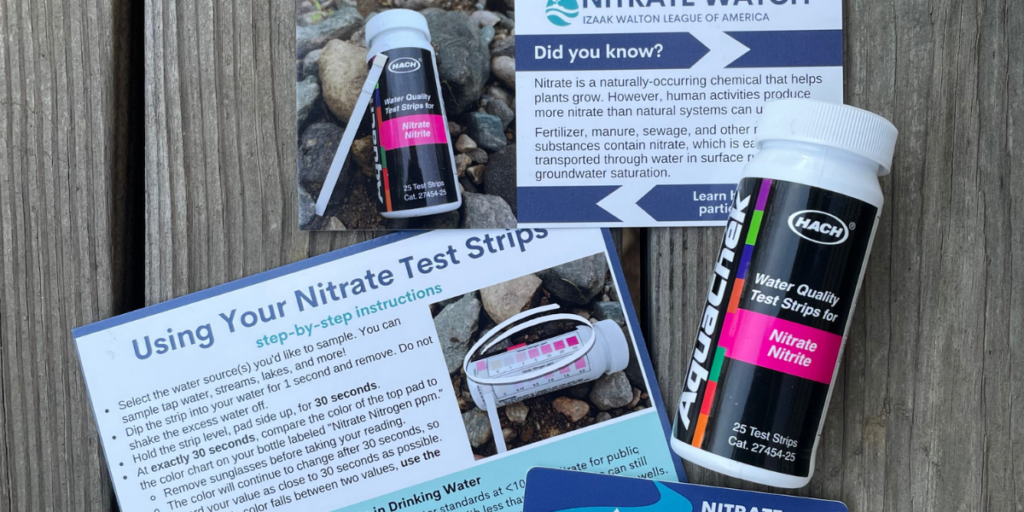
The Power of Community Science: Nitrate Watch
Written by: Heather Wilson, Midwest Save Our Streams Coordinator for the Izaak Walton League of America In the past few years, the topic of nitrate pollution has elevated from an obscure environmental issue to a topic of dinner table conversation for many Iowans. High profile events like the lawn-watering ban issued by Central Iowa Water…
Read More